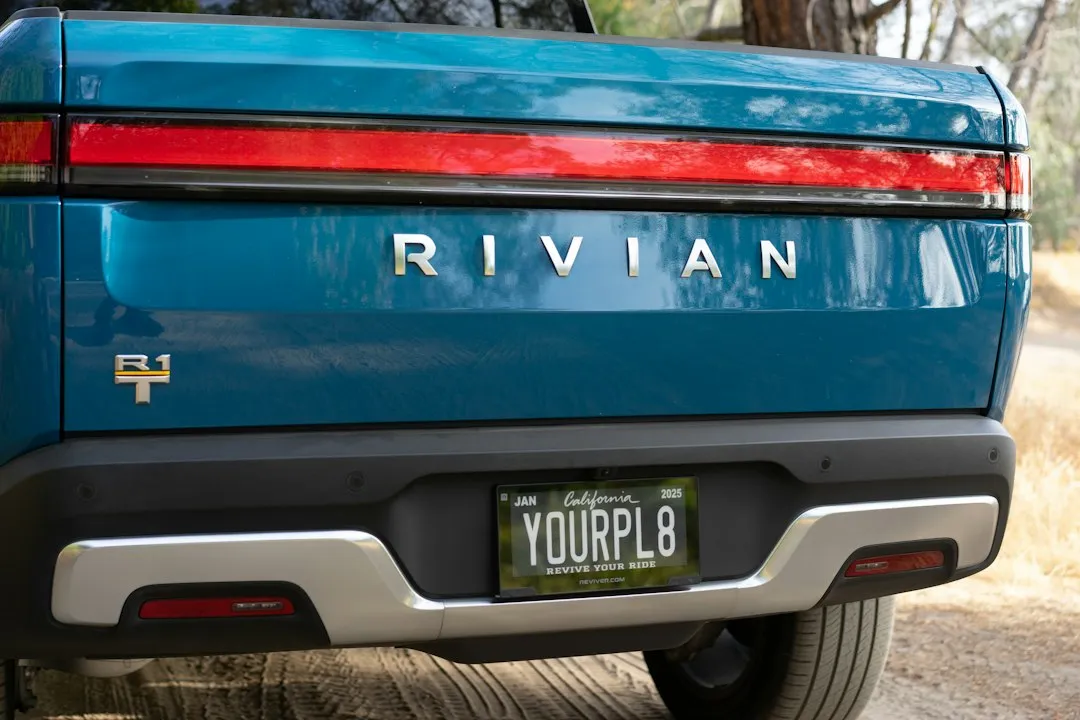
The Rivian R2, starting at $44,990, aims to disrupt the small electric SUV market dominated by the Tesla Model Y, which starts at $41,630. Both vehicles target the same price range, but they offer distinct features and capabilities. This detailed comparison explores their performance, range, utility, and value to help you decide which is the better buy.
Related reading: Top Budget GPUs for 1440p Gaming in 2026: Performance Without Breaking the Bank
Design and Build
The Rivian R2 embraces an adventurous, rugged aesthetic, reflecting its off-road capabilities. Its boxy design, high ground clearance, and durable materials make it a standout in the small electric SUV segment. In contrast, the Tesla Model Y features a sleek, aerodynamic design optimized for urban driving and highway efficiency.
Exterior Features
The R2’s exterior includes functional elements like skid plates, reinforced bumpers, and optional roof racks for outdoor enthusiasts. The Model Y, while not designed for rugged terrain, offers a more polished look with its minimalist design and frameless doors.
The Rivian R2’s exterior also features LED lighting with adaptive beams, enhancing visibility during off-road adventures. Its design includes a front trunk (frunk) with a waterproof interior, ideal for storing wet or muddy gear. The Model Y’s frameless doors and flush door handles contribute to its aerodynamic efficiency, reducing drag and improving range.
Additionally, the R2 offers a variety of exterior color options, including earthy tones that align with its adventurous ethos. The Model Y, on the other hand, provides a more limited palette, emphasizing modern and sleek finishes.
The Rivian R2’s design also includes a reinforced steel frame, providing added protection in off-road scenarios. Its wheel arches are designed to accommodate larger tires, enhancing its capability on rough terrains. The Model Y’s streamlined design not only improves efficiency but also reduces wind noise at higher speeds.
Interior Comfort
Inside, the R2 provides a spacious cabin with premium materials and a focus on utility. The Model Y, known for its third-row seating option, offers versatility for families but lacks the R2’s off-road-ready interiors.
The Rivian R2’s interior features durable, easy-to-clean surfaces, making it ideal for outdoor enthusiasts who frequently deal with dirt and moisture. Its seats are designed for comfort during long journeys, with ample legroom and support. The Model Y’s interior, while minimalist, includes vegan leather upholstery and a panoramic glass roof, creating a light and airy atmosphere.
Both vehicles offer advanced climate control systems, but the R2 includes additional features like seat heaters and a heated steering wheel as standard, enhancing comfort in colder climates. The Model Y’s third-row seating option adds versatility for larger families, though it compromises on cargo space.
The Rivian R2’s cabin also includes multiple USB-C ports and wireless charging pads, ensuring connectivity for all passengers. Its storage compartments are strategically placed for easy access during outdoor activities. The Model Y’s interior storage solutions are more focused on urban practicality, with a central console and door pockets designed for everyday use.
Performance and Range
Performance-wise, the R2 boasts a dual-motor setup delivering 510 horsepower, matching the Model Y Performance trim. However, the Model Y’s acceleration remains unbeaten, going from 0 to 60 mph in just 3.5 seconds.
Range Comparison
The R2 offers an EPA-estimated range of 330 miles, slightly outperforming the Model Y’s 318 miles. Charging times are comparable, with both vehicles supporting fast charging networks.
The Rivian R2’s efficient battery management system ensures consistent performance even in extreme conditions, making it reliable for long trips. The Model Y’s battery technology, developed over years of refinement, provides excellent energy density and longevity. Both vehicles support Level 2 home charging and DC fast charging, with the R2 compatible with Rivian’s Adventure Network and the Model Y utilizing Tesla’s Supercharger network.
Additionally, the R2’s regenerative braking system enhances its range by recapturing energy during deceleration. The Model Y’s one-pedal driving feature offers similar benefits, allowing drivers to slow down without using the brake pedal. Both systems contribute to efficient energy use and extended range.
The Rivian R2’s performance is further enhanced by its adjustable air suspension, allowing drivers to customize ride height based on terrain. This feature not only improves off-road capability but also enhances highway stability. The Model Y’s suspension is tuned for comfort and agility, making it ideal for city driving and long-distance travel.
Key Takeaway: While the Model Y excels in acceleration and urban driving, the R2’s superior range and off-road capabilities make it a strong contender for adventurers.Utility and Features
The R2’s utility-focused design includes ample cargo space, waterproof interiors, and optional camping gear. The Model Y, while versatile, prioritizes tech features over rugged utility.
Tech and Infotainment
Both vehicles come equipped with advanced infotainment systems. The Model Y’s Tesla Autopilot leads in autonomous driving, while the R2 focuses on enhancing the driving experience with its adventure-ready tech suite.
The Rivian R2’s infotainment system includes a large touchscreen with intuitive controls and seamless integration with smartphones. It also offers a suite of adventure-specific apps, such as trail maps and weather updates. The Model Y’s system features a 15-inch touchscreen with access to Tesla’s extensive app ecosystem, including entertainment and navigation tools.
Both vehicles support over-the-air updates, ensuring that their software remains current. The Model Y’s Autopilot system provides advanced driver-assistance features like lane centering and adaptive cruise control. The R2, while not as advanced in autonomous driving, offers features like terrain mapping and off-road navigation, enhancing its utility for outdoor adventures.
The Rivian R2 also includes a built-in air compressor, allowing drivers to adjust tire pressure for different terrains. This feature is particularly useful for off-road enthusiasts. The Model Y’s tech suite is more focused on convenience, with features like keyless entry and a mobile app for remote control.
Pricing and Value
Starting at $44,990, the R2 is competitively priced against the Model Y’s $41,630 base model. However, the R2’s Launch Package matches the Model Y Performance’s $57,990 price point.
Long-Term Value
The R2’s rugged design and utility features may appeal to buyers seeking a versatile electric SUV, while the Model Y’s established brand and tech offerings continue to attract a broad audience.
The Rivian R2’s durability and off-road capabilities ensure it remains functional for years, even under harsh conditions. Its modular design allows for easy upgrades and repairs, enhancing its long-term value. The Model Y’s proven reliability and extensive charging infrastructure make it a dependable choice for daily commuting and long-distance travel.
Both vehicles come with comprehensive warranties, covering the battery and drivetrain for eight years or more. Rivian offers additional perks like complimentary maintenance for the first year, while Tesla provides access to its extensive Supercharger network, reducing long-term charging costs.
The Rivian R2’s resale value is expected to remain strong due to its niche appeal and rugged utility. The Model Y’s widespread popularity and established market presence also contribute to its strong resale value, making both vehicles solid long-term investments.
Conclusion
Both the Rivian R2 and Tesla Model Y offer compelling options in the small electric SUV market. The R2’s off-road capabilities and utility make it a standout for adventurers, while the Model Y’s performance and tech features cater to urban drivers. Ultimately, the choice depends on your lifestyle and driving needs.